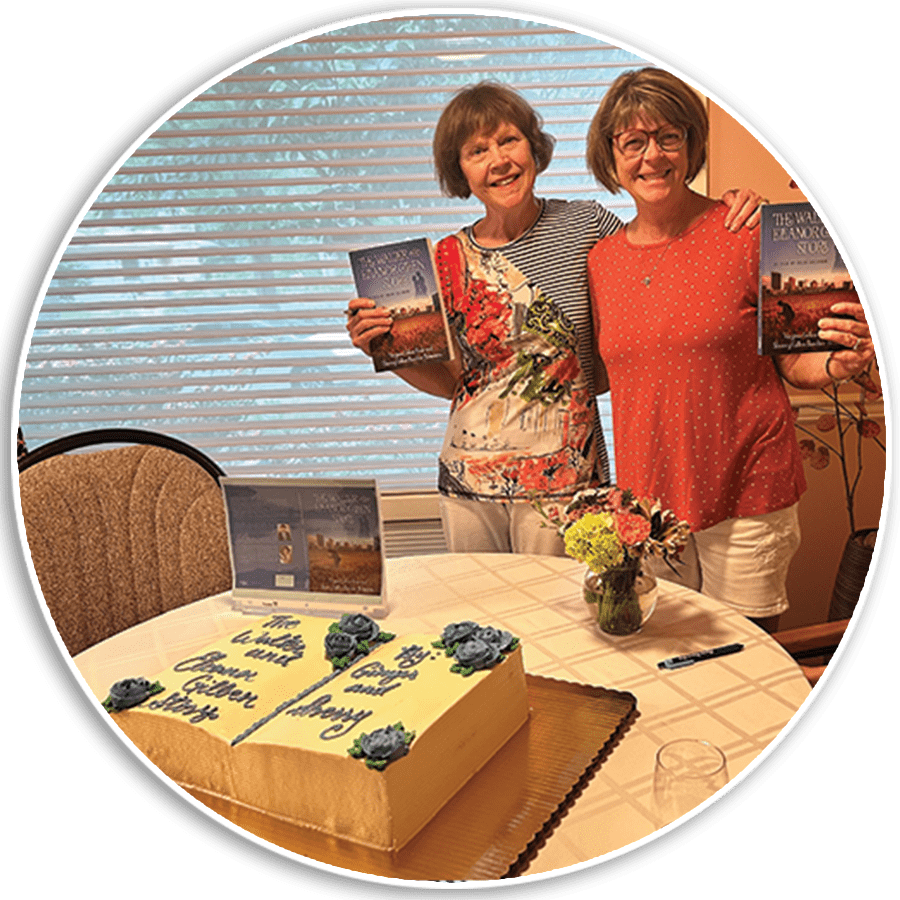
Every family has a collection of stories that shape its identity. Some are told repeatedly at holiday gatherings, while others are shared quietly between generations. These stories carry memories of triumph, hardship, migration, love, sacrifice, and everyday life. Yet as time passes, many of these valuable memories risk being forgotten. One of the most effective ways to preserve them is through oral history.
Oral history is the practice of recording personal memories and firsthand experiences through interviews. Unlike official documents, photographs, or written records, oral histories capture the voices, emotions, and perspectives of individuals. They preserve not only what happened but also how people felt, what they believed, and how they interpreted their experiences. For families, oral history offers a meaningful way to safeguard their heritage and ensure that future generations remain connected to their roots.
Family stories provide a unique window into the past. They help younger generations understand where they come from and how previous family members navigated life’s challenges and opportunities. A grandparent’s recollection of growing up during difficult economic times, a parent’s story about immigrating to a new country, or an aunt’s memories of community traditions can reveal important insights that may never appear in official records.
These stories also help build a sense of identity. Knowing the experiences of ancestors can foster pride, resilience, and a deeper appreciation for family values. Children and grandchildren often discover qualities in their relatives that inspire them—courage, determination, kindness, creativity, or perseverance. Through oral history, these lessons become personal and memorable rather than abstract concepts.
One of the greatest advantages of oral history is its accessibility. Anyone can begin preserving family stories with simple tools. A smartphone, tablet, or digital recorder is often sufficient to capture interviews. The process starts with identifying family members who are willing to share their memories. Older relatives are often excellent sources of family history, but every generation has stories worth recording.
Preparation is important for a successful interview. Interviewers should create a list of open-ended questions that encourage detailed responses. Instead of asking questions that can be answered with a simple “yes” or “no,” consider prompts such as
- What was your childhood home like?
- What traditions did your family celebrate?
- What is one challenge you faced when you were young?
- How did you meet your spouse?
- What life lessons would you like future generations to remember?
These types of questions invite storytelling and often lead to unexpected memories and valuable insights.
Creating a comfortable environment is equally important. Interviews should feel like conversations rather than formal interrogations. Allow the narrator time to think, speak freely, and follow memories wherever they lead. Some of the most meaningful stories emerge when interviewees feel relaxed and respected.
Beyond preserving facts, oral history captures the unique qualities of a person’s voice. The tone, laughter, pauses, and emotional expressions provide context that written accounts cannot fully convey. Hearing a grandparent tell a story in their own voice years later can create a powerful connection for descendants who may never have had the opportunity to know them personally.
Technology has made it easier than ever to preserve and share oral histories. Recorded interviews can be stored digitally, transcribed into written documents, or incorporated into family memoirs, videos, and genealogy projects. Cloud storage and external backups help ensure that these recordings remain safe and accessible for future generations.
Photographs and family heirlooms can also enrich oral history projects. During interviews, showing old photographs, letters, certificates, or keepsakes often triggers memories that might otherwise remain hidden. These visual prompts can lead to fascinating stories about family members, historical events, or traditions that have been passed down over time.
Oral history is particularly valuable for preserving cultural heritage. Families often carry traditions, languages, recipes, customs, and beliefs that may gradually fade as generations become more geographically dispersed or assimilated into new communities. Recording stories about these traditions helps ensure that important aspects of cultural identity survive and continue to be celebrated.
Another benefit of oral history is the opportunity it creates for connection. Interviews encourage meaningful conversations between generations that might not otherwise occur. Younger family members gain a deeper understanding of their relatives, while older family members often appreciate the chance to reflect on their lives and share their experiences. These conversations can strengthen family bonds and create lasting memories for everyone involved.
Importantly, oral history does not require extraordinary stories. Everyday experiences are often the most meaningful. Future generations may be fascinated by details that seem ordinary today—how people communicated before smartphones, what school was like decades ago, how neighborhoods changed, or how families celebrated special occasions. What feels routine in one era can become a valuable historical record in another. Preserving family stories through oral history is ultimately an act of love and stewardship. It honors the lives of those who came before us and creates a bridge between past, present, and future. By taking the time to record memories today, families ensure that their voices, experiences, and wisdom continue to inspire generations to come. In a rapidly changing world, these stories become a lasting legacy—one that helps future descendants understand not only where they came from, but also who they are.
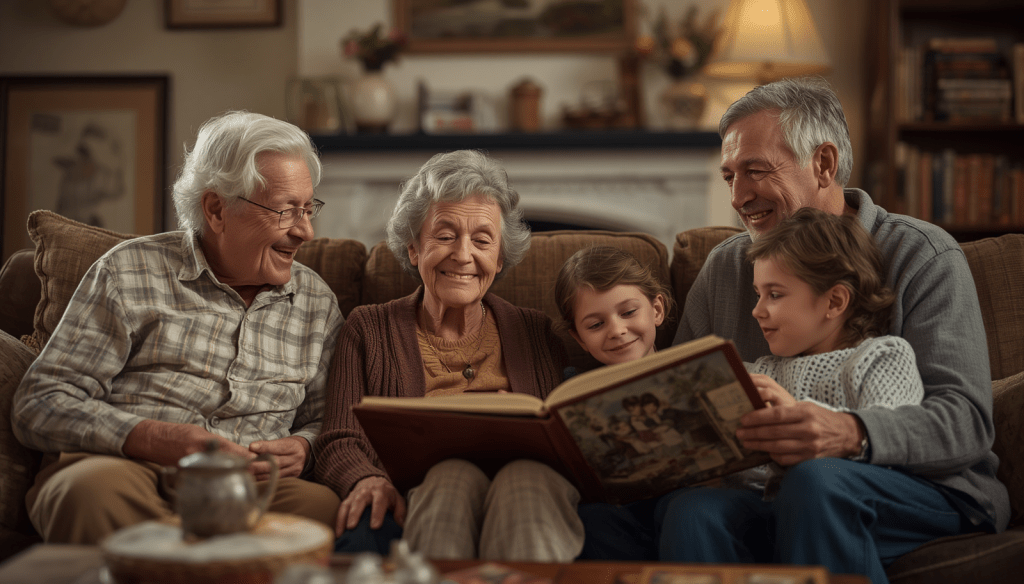
Every family carries a story that stretches beyond a single lifetime. It is a story woven from memories, traditions, struggles, victories, and values passed from one generation to the next. When four generations of a family are connected—great-grandparents, grandparents, parents, and children—the richness of that story becomes even more apparent. Family heritage is not simply a record of where we come from; it is a living influence that helps shape who we are and how we understand ourselves.
In today’s fast-paced world, where technology and social change often redefine how families interact, the importance of heritage remains constant. The experiences and wisdom of previous generations provide a foundation that helps younger family members develop a stronger sense of identity and belonging.
Great-grandparents often serve as the earliest living link to a family’s history. Their stories provide a glimpse into a different era, one that younger generations may find difficult to imagine. They may recall life without modern conveniences, memories of historical events, economic hardships, or cultural traditions that have since evolved. Through their experiences, they offer valuable lessons about resilience, perseverance, and adaptability.
Grandparents act as bridges between the past and present. They often preserve family customs, recipes, photographs, and stories that might otherwise be forgotten. Many families gather around grandparents during holidays and celebrations, making them central figures in maintaining traditions. Their recollections help younger generations understand how family values were developed and why certain customs continue to matter.
Parents represent the generation that actively interprets and passes heritage forward. They choose which traditions to preserve, which lessons to emphasize, and how to adapt family values to modern circumstances. Parents often serve as storytellers, sharing family history while helping children understand its relevance to contemporary life. Through their guidance, heritage becomes more than history—it becomes a practical influence on daily decisions and personal growth.
Children, meanwhile, are the future custodians of the family legacy. Although they may initially view family stories as simple tales from the past, these narratives gradually become part of their understanding of themselves. Learning about ancestors who overcame adversity, pursued dreams, or contributed to their communities can inspire confidence and purpose. Children who know their family history often develop a stronger sense of continuity and belonging.
Learning about family heritage gives children a deeper appreciation for the sacrifices, achievements, and traditions that have shaped their family. These stories strengthen identity and create a lasting sense of belonging.
One of the most significant ways heritage shapes identity is through values. Families pass down beliefs about hard work, education, kindness, faith, responsibility, and community involvement. These values often originate from experiences faced by previous generations. A great-grandparent who endured economic hardship may inspire a family culture of financial responsibility. A grandparent who immigrated to a new country may encourage perseverance and appreciation for opportunity. Over time, these lessons become part of the family’s collective identity.
Cultural traditions also play a powerful role in shaping who we are. Celebrations, language, music, food, and religious practices create shared experiences that connect generations. A holiday meal prepared from a recipe handed down through decades becomes more than nourishment—it becomes a symbol of family continuity. Traditional songs, dances, and customs remind family members of their roots and provide a sense of connection to something larger than themselves.
Family heritage also offers a sense of perspective. Understanding the challenges previous generations faced can help younger family members navigate their own difficulties. Stories of overcoming illness, surviving hardship, building careers, or raising families under difficult circumstances demonstrate that obstacles can be met with courage and determination. These examples provide reassurance that resilience often runs through generations.
At the same time, heritage is not about preserving the past unchanged. Each generation contributes its own experiences and perspectives. As society evolves, families adapt traditions and values to meet new realities. This balance between honoring the past and embracing the future allows heritage to remain relevant. Identity is shaped not only by what we inherit but also by how we choose to carry those influences forward.
Technology has created new opportunities for preserving and sharing family heritage. Digital photo albums, recorded interviews, genealogy websites, and social media platforms allow families to document their stories more easily than ever before. These tools help ensure that important memories survive for future generations.
Creating opportunities for intergenerational connection is one of the best ways to strengthen family identity. Family reunions, storytelling sessions, shared projects, and oral history interviews encourage meaningful conversations between generations. Asking older relatives about their childhood experiences, favorite memories, and life lessons can uncover stories that might otherwise disappear. These conversations help family members appreciate the journey that brought them to the present.
Preserving family heritage is one of the greatest gifts each generation can give the next. Whether through stories, traditions, photographs, or shared experiences, every generation contributes to a legacy that continues to shape future family members.
Ultimately, four generations of family represent more than a lineage—they represent a living legacy. Heritage provides roots that anchor us, stories that inspire us, and values that guide us. By understanding where we come from, we gain a clearer understanding of who we are and who we hope to become. In a world that is constantly changing, family heritage offers continuity and connection. By preserving traditions and sharing stories across four generations, families build stronger identities and create a legacy that will inspire future generations. The voices of great-grandparents, grandparents, parents, and children combine to create a shared narrative that spans decades. Through this ongoing story, identity is formed, strengthened, and passed forward, ensuring that the lessons and traditions of the past continue to enrich future generations.